Part of Sach Suno’s reader-first explainer series. Updated May 6, 2026.
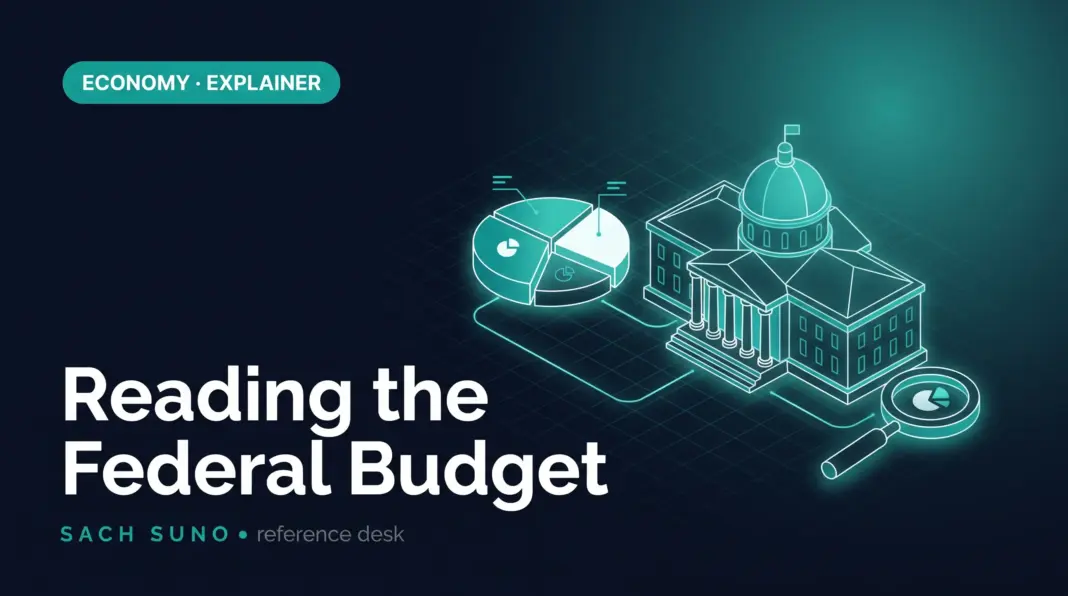
Pakistan’s federal budget can feel like a wall of numbers. The trick is to read it as a set of choices: how money is collected, where it is spent, what is borrowed, and which promises are realistic.
Why This Matters
Budgets shape prices, public services, provincial transfers, infrastructure projects, and debt pressure. A reader who understands the structure can judge political claims more carefully.
Key Takeaways
- Separate revenue, expenditure, deficit, and debt before judging any headline.
- Look for the difference between current spending and development spending.
- Compare budget promises with previous revised estimates where available.
- Household impact often comes through taxes, subsidies, energy prices, and inflation.
Revenue Means More Than Taxes
Revenue includes tax and non-tax income. Tax revenue may come from income tax, sales tax, customs duties, and federal excise duties. Non-tax revenue can include dividends, fees, petroleum levy collections, and other receipts.
Current Spending Versus Development Spending
Current spending keeps the state running: salaries, pensions, debt servicing, defence, grants, and subsidies. Development spending funds projects. A budget can sound ambitious, but if debt servicing rises quickly, less room may remain for services and development.
Deficit Is the Financing Gap
When spending exceeds revenue, the government has to finance the gap. That can mean borrowing, asset sales, or other financing. The size and method of financing matter because they affect future budgets.
What Readers Should Compare
Compare budget estimates with revised estimates and previous actuals. Big jumps may be policy choices, accounting changes, or optimistic assumptions. The comparison matters more than a single headline figure.
Useful Public References
Editorial Note
Sach Suno publishes explainers to help readers slow down, check claims, and understand the context behind public issues. This article is intended as background information, not breaking news or financial advice.
Additional Context for Readers
A federal budget is a plan, not a guarantee. It estimates revenue, spending, borrowing, debt servicing, subsidies, development projects, and transfers. The most important question is whether the assumptions are realistic enough to survive the year.
Readers should separate current spending from development spending. Current spending includes recurring obligations such as salaries, pensions, interest payments, defence, subsidies, and grants. Development spending is meant for projects, but it can be cut when revenue falls short or financing becomes tight.
The budget also needs to be compared with actual outcomes. A headline allocation may look impressive, but revised estimates and year-end data show what was really collected and spent.
Useful Public References
- Finance Division: Federal budget documents
- Federal Board of Revenue
- State Bank of Pakistan: Economic data
Last reviewed: 2026-05-07.